Dry Air Filters vs Oiled Air Filters: Which Is Best for Your Vehicle?
Choosing the right air filter is essential to keep your engine running smoothly and efficiently. The two main types are dry air filters and oiled air filters. Each offers unique benefits, but which one fits your needs best? Let’s explore the differences, with a spotlight on the premium Breeze Performance Dry filters.
What Are Dry Air Filters?
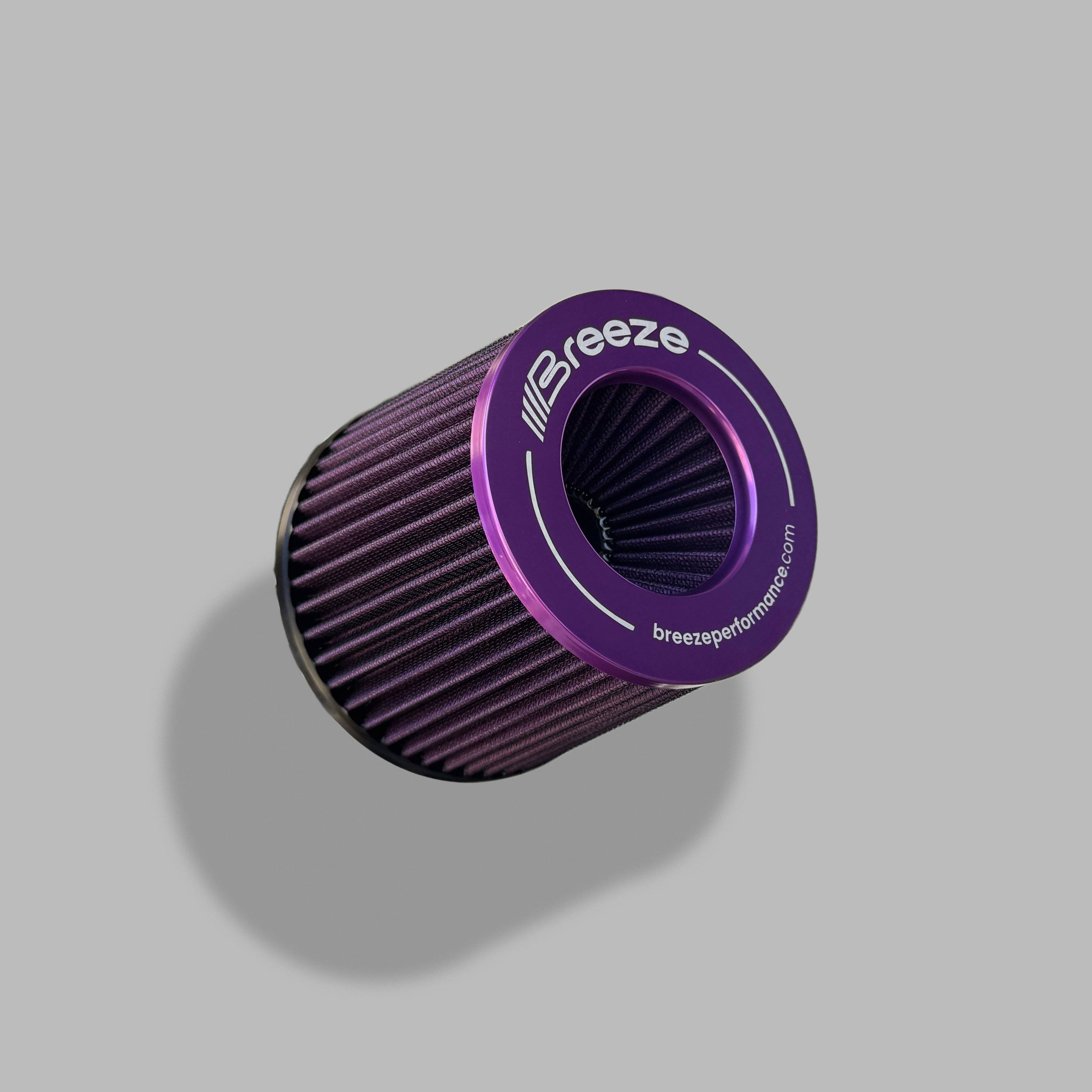
Dry air filters are made from porous materials like advanced polyester, paper, or foam. They trap dirt and debris without needing oil to capture contaminants. Breeze Performance Dry filters use cutting-edge polyester technology for optimal filtration and airflow.
-
Maintenance: Minimal, cleanable with compressed air.
-
Cost: Lower lifetime cost due to durability.
-
Performance: Excellent airflow, high filtration efficiency.
What Are Oiled Air Filters?
Oiled air filters use cotton or fabric coated with oil to attract and trap dirt particles. They can be cleaned and re-oiled, making them reusable.
-
Maintenance: Requires cleaning, drying, and re-oiling regularly.
-
Cost: Higher total cost over time due to maintenance supplies.
-
Performance: Slightly higher airflow, but risk of over-oiling causing engine issues.
Performance & Filtration Comparison
| Feature | Breeze Performance Dry Filter | Typical Oiled Air Filter |
|---|---|---|
| Filtration Efficiency | Up to 99.9% filtration of particles | Approximately 98% filtration of particles |
| Airflow | Optimized for maximum unrestricted airflow | Slightly higher airflow due to more open mesh |
| Maintenance Frequency | Low; clean with compressed air periodically | High; requires cleaning and re-oiling regularly |
| Risk of MAF Sensor Issues | None, no oil used | Risk if over-oiled, can cause sensor contamination |
| Longevity | Durable, long-lasting without re-oiling | Reusable but requires careful upkeep |
| Cost over 3 years | Lower due to no oil or cleaning kits needed | Higher due to cleaning kit and consumables |
Why Choose Breeze Performance Dry Filters?
-
Advanced Polyester Material: Offers superior filtration and airflow balance.
-
Maintenance-Free Operation: No need for oiling; simply clean with compressed air.
-
Durability: Resistant to water and oil contamination, perfect for extreme conditions.
-
Engine Protection: Eliminates risk of oil contaminating sensitive engine components.
-
Cost-Effective: Saves money over time by avoiding oil and cleaning kit expenses.
Maintenance and Longevity
| Maintenance Aspect | Dry Air Filters (Breeze Performance) | Oiled Air Filters |
|---|---|---|
| Cleaning Process | Quick air spray cleaning | Cleaning, drying, and re-oiling required |
| Maintenance Time | Minutes | Hours (including drying time) |
| Frequency | Every 20,000 - 30,000 km depending on conditions | Every 15,000 - 20,000 km typically |
| Environmental Impact | Lower, no oils or chemicals needed | Higher due to oils and cleaning products |
| Lifespan | 100,000+ km with proper care | 50,000 - 70,000 km with proper care |
Common Misconceptions About Dry vs Oiled Filters
| Myth | Fact |
|---|---|
| "Oiled filters always perform better" | Dry filters like Breeze Performance achieve near-equal filtration and airflow efficiency without oil-related risks. |
| "Oiled filters last longer" | Dry filters last longer due to simpler maintenance and no oil degradation issues. |
| "Dry filters are not suitable for harsh conditions" | Breeze Performance Dry filters are water-resistant and highly durable in dusty and extreme environments. |
Conclusion
If you want maximum engine protection, low maintenance, and long-term savings, Breeze Performance Dry air filters are an excellent choice. They provide near-race-grade filtration efficiency while eliminating the hassle and risks of oiled filters. For drivers in dusty or challenging conditions, dry filters deliver reliability and easy upkeep, making your vehicle perform better with less effort.
Consider upgrading your vehicle with Breeze Performance Dry filters — the perfect balance of performance, durability, and convenience.
Related Posts

BMW S58 Intake Kit for G80 M3, G82 M4, and G87 M2: Feed the Beast Properly

Mercedes-AMG C63 / C63S W205: Breathe New Life Into the M177 V8 With an Intake Upgrade

Breeze Performance Exhaust Tips: The Most Affordable Way to Transform Your Car's Look and Sound

BMW M4 G82 Exhaust System: Give Your S58 the Sound and Performance It Deserves

Mercedes-AMG A45 / CLA45 / GLA45 M133: Turn Your Hot Hatch Into a Street Weapon With the Breeze Cold Air Intake

Audi RS3 & TTRS 4" Cold Air Intake: The Best First Mod for the 2.5 TFSI

Nissan GT-R R35 3" Intake Upgrade: Unlock the Godzilla's True Potential